









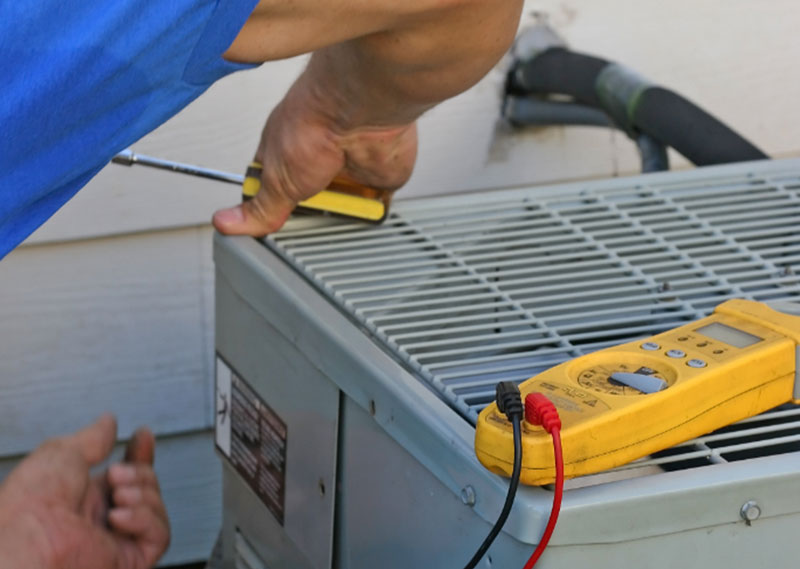
If your air conditioner is over a decade old and struggling to keep your home cool, it’s time to take a closer look. What used to run quietly in the background may now be costing you more in repairs, energy bills, and daily comfort. From uneven temperatures to strange noises and rising costs, these warning signs often point to a system that’s reaching the end of its lifespan. Knowing what to look for helps you make a smart decision before your AC fails when you need it most.
Is Your AC Unit Over 10 Years Old?
If your air conditioner is more than 10 years old, it may no longer operate at peak efficiency. Older systems tend to use more energy while delivering less consistent cooling, which directly impacts your monthly utility bills. Technology has improved significantly over the years. Newer systems are designed to cool faster, run quieter, and use less energy. As components in older units wear down, performance declines and reliability becomes a concern. Replacing your system can improve comfort, reduce energy use, and give you peace of mind.
Is Your AC Constantly Breaking Down?
Frequent breakdowns are one of the clearest signs your air conditioner is nearing the end of its life. If you’re scheduling repairs multiple times a season, the system is likely dealing with ongoing internal issues. Each repair adds cost and inconvenience. Over time, those expenses can exceed the price of a new unit. Instead of dealing with repeated disruptions, upgrading your system provides dependable cooling and eliminates the stress of constant repairs.
Is Your Energy Bill Skyrocketing?
A noticeable increase in your energy bill often means your AC is losing efficiency. As systems age, they need to run longer and work harder to maintain the same temperature. If your unit runs constantly but struggles to cool your home, it’s wasting energy. Even with proper maintenance, older systems can’t match the efficiency of modern models. Replacing your AC can lower your energy costs and improve your home’s overall comfort.
Does Your AC Make Unusual Noises?
Your air conditioner should operate quietly. If you hear banging, grinding, squealing, or buzzing sounds, it’s a sign something isn’t working properly. These noises can indicate worn components, loose parts, or electrical issues. Ignoring them can lead to more serious damage and higher repair costs. If the noise continues after maintenance, replacing the unit may be the most practical solution.
Is Your Home Unevenly Cooled?
If some rooms feel too hot while others are too cold, your AC may no longer be distributing air effectively. Uneven cooling is often a sign of declining system performance or improper sizing. You may also notice increased energy use as the system struggles to compensate for these imbalances. When your AC can no longer maintain consistent temperatures, it may be time to consider a replacement to restore comfort throughout your home.
Are You Experiencing Poor Airflow?
Weak or inconsistent airflow can make your home uncomfortable, even when your AC is running. This issue may stem from clogged filters, duct problems, or failing internal components. If basic maintenance doesn’t improve airflow, your system may be nearing the end of its lifespan. Replacing your unit can restore proper circulation and ensure even cooling in every room.
Noticing Foul Odors?
Strange smells coming from your air conditioner are never a good sign. A musty odor often points to mold or mildew inside the system, which can affect your indoor air quality. Burning smells may indicate electrical issues, while chemical odors could signal a refrigerant leak. These problems can impact both your comfort and your safety. If odors persist, replacing your AC may be the safest and most effective solution.
Is Your AC Leaking Refrigerant?
Refrigerant plays a critical role in cooling your home. If your system is leaking, you may notice reduced cooling performance, ice buildup, or unusual hissing sounds. Leaks can cause serious damage to key components like the compressor. In many cases, repairing refrigerant issues in an older system is not cost-effective. Replacing your unit can prevent further damage and restore efficient cooling.
Does Your AC Require Constant Repairs?
If your air conditioner constantly needs repairs, it’s time to rethink your approach. Frequent service calls not only cost money but also disrupt your daily routine. At some point, continuing to repair an aging system no longer makes sense. Investing in a new unit provides reliability, reduces long-term costs, and ensures your home stays comfortable without unexpected breakdowns.
Is Your AC Unit Losing Efficiency?
An inefficient AC system struggles to maintain your desired temperature and often runs longer than it should. You may notice uneven cooling, longer cycles, or higher energy usage. These signs indicate your system is no longer performing as it should. Upgrading to a modern, energy-efficient model improves comfort, reduces operating costs, and provides consistent cooling throughout your home.
Conclusion
If your air conditioner is showing multiple warning signs, it’s likely time to consider a replacement. Waiting too long can lead to higher costs, unexpected breakdowns, and ongoing discomfort. Replacing your AC at the right time helps you avoid repeated repairs, improves energy efficiency, and creates a more comfortable living environment. A new system offers reliability, better performance, and long-term savings for your home.