







Knowing when to install or replace your HVAC system is essential for maintaining comfort, efficiency, and long-term savings. If your unit is aging, struggling to perform, or driving up your energy bills, it’s time to evaluate its condition. Small warning signs often lead to bigger problems if ignored. From unusual noises to uneven temperatures, recognizing these issues early helps you make informed decisions and avoid unexpected breakdowns.
Understanding the Lifespan of Your HVAC Unit
Understanding how long your HVAC system should last helps you plan ahead and avoid sudden failures. Different systems have different lifespans, and factors like maintenance, usage, and installation quality all play a role in how long your unit performs efficiently. By knowing what to expect, you can stay ahead of costly repairs and make smarter decisions about replacement.
Average Lifespan of Different HVAC Systems Explained
Most central air conditioning systems last between 12 and 15 years, while furnaces typically last 15 to 20 years. Heat pumps generally operate for 10 to 15 years, and ductless mini-split systems can last around 15 years with proper care. Regular maintenance, including filter changes and annual inspections, plays a major role in reaching these averages. Monitoring your system’s age helps you decide when replacement becomes the more practical option.
Factors That Can Extend or Shorten Your HVAC System’s Life
Several factors influence how long your HVAC system lasts. Regular maintenance keeps components clean and functioning properly, while neglect can lead to breakdowns and reduced efficiency. Proper installation is just as important. A system that is too large or too small for your home will experience unnecessary strain. Environmental conditions, heavy usage, and outdated technology can also shorten lifespan. Paying attention to these factors helps you get the most out of your system.
Identifying Inefficiencies: Signs Your HVAC Needs Attention
If your HVAC system is no longer running efficiently, you will likely notice changes in comfort and performance. Rising energy bills, inconsistent temperatures, and frequent cycling are all warning signs. You may also hear unusual sounds or notice higher humidity levels inside your home. These issues indicate that your system is working harder than it should. Addressing inefficiencies early can improve comfort and extend the life of your system.
Rising Energy Bills: What You Need to Know
Higher energy bills are often one of the first signs that your HVAC system is losing efficiency. As components wear out, your system uses more energy to produce the same level of comfort. If your usage hasn’t changed but your bills continue to rise, your HVAC system may be the cause. Identifying the source of energy waste can help you decide whether repairs or replacement make more sense.
Why Your HVAC System May Be Driving Up Energy Costs
Older systems naturally lose efficiency over time. Dirty filters, worn components, and aging technology all contribute to higher energy use. Leaky ductwork and poor insulation can also force your system to work harder. When your HVAC system struggles to maintain temperature, it runs longer cycles and consumes more energy. Upgrading to a newer model can significantly reduce operating costs.
How to Identify Energy Waste in Your Heating and Cooling System
Start by checking your thermostat settings and air filters. A clogged filter restricts airflow and forces your system to work harder. Inspect ductwork for leaks or gaps that allow air to escape. Pay attention to your energy bills for sudden increases. Also consider the age of your system, as older units are less efficient. Addressing these issues can reduce waste and improve performance.
Common Noises: What Do They Mean for Your HVAC?
Unusual noises are often early indicators of HVAC problems. A high-pitched squeal may point to a worn belt or motor issue. Banging or rattling sounds can mean loose components or debris in the system. Hissing may indicate a refrigerant leak, while clicking could signal electrical issues. Ignoring these sounds can lead to more serious damage and higher repair costs.
The Impact of Inconsistent Temperature Control
If your home has hot and cold spots, your HVAC system may not be distributing air properly. Inconsistent temperatures force your system to work harder, increasing energy use and wear on components. This not only affects comfort but also shortens the lifespan of your system. Addressing temperature inconsistencies early helps maintain efficiency and prevents long-term damage.
When to Stop Repairing: Signs It’s Time for Replacement
There comes a point when repairing your HVAC system no longer makes sense. Frequent breakdowns, rising costs, and declining performance all signal that replacement may be the better option. Recognizing when to stop repairing helps you avoid wasting money on a system that can no longer deliver reliable performance.
How Frequent Repairs Add Up Over Time
If you are calling for repairs multiple times a year, those costs can quickly add up. When repair expenses approach or exceed half the value of a new system, replacement becomes the smarter investment. Older systems are also more prone to breakdowns, making ongoing repairs less effective over time.
Key Indicators Your HVAC System Is Beyond Repair
If your system is over 10 to 15 years old, struggles to maintain consistent temperatures, or causes rising energy bills, it may be beyond repair. Unusual noises and frequent malfunctions also point to deeper issues. When performance continues to decline despite maintenance, replacing the system ensures better reliability and efficiency.
Should You Repair or Replace Your HVAC? Here’s How to Decide
Deciding between repair and replacement comes down to a few key factors. Consider the age of your system, the cost of repairs, and how often it breaks down. Older systems with frequent issues are usually better replaced. Newer systems with minor problems may still be worth repairing. Evaluating these factors helps you make a cost-effective decision.
Understanding Energy Efficiency Ratings
Energy efficiency ratings help you compare HVAC systems and choose the best option for your home. SEER ratings measure cooling efficiency, while AFUE ratings measure heating efficiency. Higher ratings mean better performance and lower energy use. ENERGY STAR certified systems meet strict efficiency standards and can help reduce long-term costs.
Why Upgrading Your HVAC System Matters
Upgrading your HVAC system improves comfort, efficiency, and indoor air quality. Modern systems are designed to operate more effectively while using less energy. This means lower utility bills and better performance throughout your home. Investing in a new system also reduces the risk of unexpected breakdowns.
Benefits of Modern HVAC Technology for Homeowners
New HVAC systems offer improved energy efficiency, better air filtration, and advanced controls. Smart thermostats allow you to manage your system remotely and optimize performance. Modern units also operate more quietly, creating a more comfortable living environment. These upgrades provide long-term value for your home.
Matching HVAC System Types to Your Home’s Needs
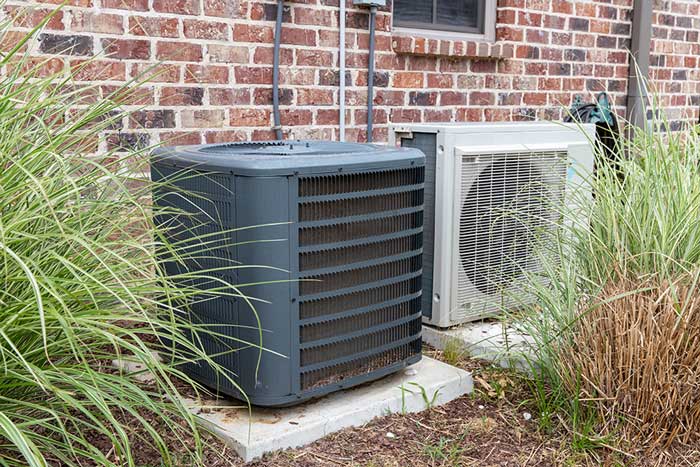
Choosing the right HVAC system depends on your home’s size, layout, and climate. Central systems work well for larger homes, while ductless systems are ideal for smaller spaces or additions. Heat pumps offer efficient heating and cooling in moderate climates. Selecting the right system ensures optimal performance and comfort.
How to Choose the Right HVAC System for Your Home
Selecting the right HVAC system requires careful consideration of several factors. Energy efficiency should be a top priority, as it impacts long-term costs. Proper sizing is essential to avoid performance issues. You should also consider the type of system that best fits your home and your budget. Working with a professional ensures you make the right choice.
Conclusion
Deciding whether to repair or replace your HVAC system requires a clear understanding of its performance, age, and efficiency. While repairs may offer a temporary fix, an aging system can lead to ongoing costs and unreliable comfort. Replacing your HVAC system at the right time improves efficiency, lowers energy bills, and ensures consistent performance. Investing in a modern system creates a more comfortable and dependable home for years to come.