








Understanding your HVAC system is the first step in avoiding expensive repairs and unexpected breakdowns. When you know how your system works and what warning signs to watch for, you can take action before small issues turn into major problems. Simple maintenance habits and routine inspections go a long way in keeping your system running efficiently. By staying proactive, you protect your comfort, reduce costs, and extend the life of your HVAC system.
Basic Components of Your HVAC System Explained
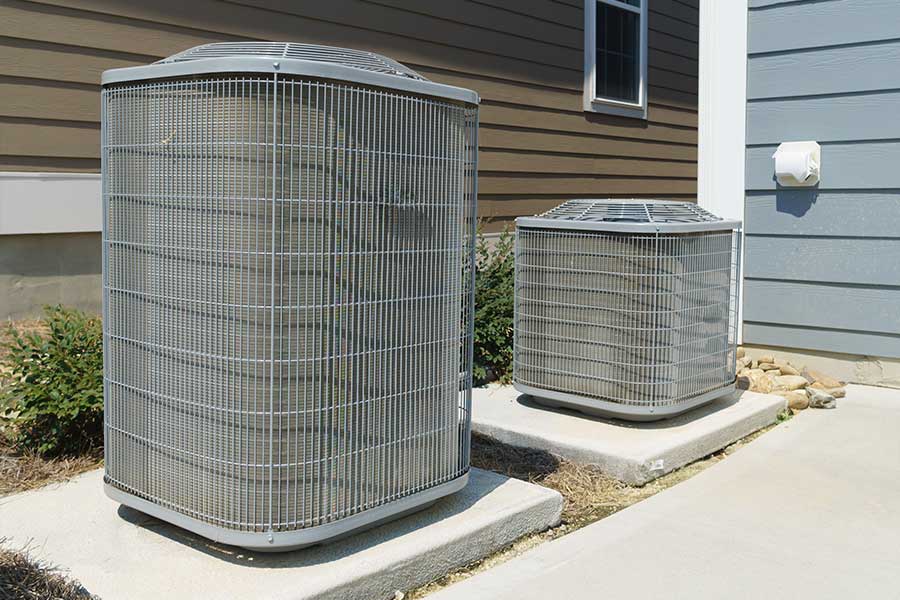
Your HVAC system includes several key components that work together to regulate temperature and airflow. The furnace provides heat, while the air conditioner cools your home. Heat pumps can handle both heating and cooling, offering flexibility for different climates. Ductwork distributes air throughout your home, ensuring consistent comfort in every room. The thermostat controls temperature settings, helping manage energy use efficiently. Air filters play a critical role in maintaining airflow and indoor air quality. When these components are clean and functioning properly, your system operates more efficiently and is less likely to break down.
Signs Your HVAC System Needs Attention
Recognizing early warning signs helps you address issues before they become costly repairs. If your system isn’t performing like it used to, there are usually clear indicators that something is wrong. Paying attention to these changes allows you to act quickly and avoid bigger problems.
Early Warning Signs of HVAC Performance Issues
Unusual noises such as grinding, banging, or hissing often indicate mechanical problems or loose components. Inconsistent temperatures between rooms may point to airflow issues or duct blockages. A sudden increase in energy bills can signal that your system is working harder than necessary. These early signs should not be ignored, as they often lead to larger system failures if left unaddressed.
How Small Problems Can Turn Into Major Repairs
Minor issues can escalate quickly if they are not addressed. A clogged air filter can restrict airflow and cause overheating, while a small refrigerant leak can damage major components like the compressor. Strange noises may indicate loose or failing parts that can lead to system breakdown. Addressing these problems early helps prevent costly repairs and keeps your system running smoothly.
Why Regular Maintenance Is Key for Your HVAC
Routine maintenance is one of the most effective ways to prevent breakdowns and extend the life of your HVAC system. Regular checkups ensure that all components are working properly and efficiently. This not only improves performance but also reduces the risk of unexpected repairs.
How Routine Maintenance Extends HVAC System Lifespan
Replacing air filters regularly keeps airflow strong and reduces strain on the system. Cleaning coils helps maintain efficiency and prevents overheating. Checking refrigerant levels ensures proper cooling performance and protects key components. These simple maintenance steps help your HVAC system run smoothly and last longer.
The Cost Savings of Preventative HVAC Care
Preventative maintenance helps you avoid expensive repairs by catching small issues early. A well-maintained system uses less energy, which lowers your monthly utility bills. It also helps protect your warranty, as many manufacturers require regular service. Investing in routine maintenance leads to fewer breakdowns, lower costs, and a more reliable system.
How to Change Your Air Filter Effectively
Changing your air filter every one to three months improves airflow and system efficiency. Start by turning off your HVAC system for safety. Remove the old filter and note its direction before installing the new one. Insert the new filter correctly and ensure it fits securely. This simple task reduces strain on your system and helps maintain consistent performance.
When to Schedule HVAC Inspections?
Scheduling HVAC inspections twice a year helps keep your system in top condition. Spring and fall are ideal times to check your system before heavy use. If your unit is older or showing signs of trouble, additional inspections may be necessary. Regular checkups help identify issues early and prevent costly breakdowns.
Why Keeping HVAC Vents and Ducts Clear Matters
Clear vents and ductwork are essential for proper airflow and system efficiency. Blocked vents can cause your system to work harder, leading to higher energy costs and increased wear. Clean ducts improve air quality by reducing dust, allergens, and contaminants circulating through your home. Keeping these areas clear supports both comfort and health.
How Blocked Vents Reduce Airflow and Efficiency
When vents are blocked, airflow becomes restricted, forcing your HVAC system to work harder. This increases energy consumption and puts extra strain on components. Reduced airflow also leads to uneven temperatures throughout your home. Keeping vents open and unobstructed ensures consistent performance and efficiency.
The Impact of Clean Ductwork on Indoor Air Quality
Dust and debris can build up inside your ductwork over time, affecting the air you breathe. Clean ducts reduce allergens and improve indoor air quality, creating a healthier environment. Regular duct maintenance also helps your system operate more efficiently and reduces unnecessary strain.
How to Optimize Your Thermostat for Efficiency
Optimizing your thermostat settings can improve efficiency and reduce energy costs. Setting a schedule allows your system to adjust temperatures when you are away. Smart thermostats can learn your habits and make automatic adjustments for better performance. Keeping a consistent temperature reduces strain on your system and helps maintain efficiency.
Seasonal HVAC Preparation Tips
Preparing your HVAC system for seasonal changes helps prevent unexpected issues. Check and replace air filters before peak usage. Clear debris from outdoor units to maintain proper airflow. Schedule professional inspections before summer and winter to ensure your system is ready. Adjust your thermostat settings based on seasonal needs to maximize efficiency.
Simple DIY Maintenance Tasks for Homeowners
There are several maintenance tasks you can handle yourself to keep your system running smoothly. Replacing filters regularly improves airflow and efficiency. Clearing debris from the outdoor unit prevents overheating. Checking thermostat settings ensures your system operates correctly. These simple steps help maintain performance and reduce the risk of breakdowns.
Easy HVAC Maintenance Tasks You Can Do Yourself
Replacing or cleaning air filters every one to three months helps maintain proper airflow. Keeping the outdoor unit clear of leaves and debris ensures efficient operation. Checking thermostat settings regularly helps maintain consistent temperatures and reduces energy use. These simple tasks can make a big difference in system performance.
Risks of Delaying Professional HVAC Repairs
Ignoring HVAC issues can lead to more serious problems and higher repair costs. A small refrigerant leak can damage the compressor if left untreated. Delaying repairs can also reduce indoor air quality and affect your health. Addressing problems early helps protect your system and avoid expensive breakdowns.
Knowing When to Call in HVAC Professionals
There are times when professional help is necessary to prevent further damage. Unusual noises, inconsistent temperatures, and rising energy bills are all signs that your system needs expert attention. Calling a professional early can prevent small issues from becoming major repairs and keep your system running efficiently.
Conclusion
Preventing costly HVAC repairs starts with awareness and consistent maintenance. By recognizing warning signs, performing simple upkeep, and scheduling regular inspections, you can keep your system running efficiently. Taking proactive steps reduces the risk of breakdowns, lowers energy costs, and extends the life of your equipment. A well-maintained HVAC system keeps your home comfortable while protecting your long-term investment.